
What makes the Impossible Burger impossible? For the first time, a veggie burger can truly market itself as “meaty.” That’s right – it looks, smells, sizzles, and “bleeds” like real ground beef. Although the Impossible Burger is officially vegan, Patrick O. Brown, founder and CEO of Impossible Foods, is marketing the product to omnivores and flexitarians (carnivores who are choosing to eat less meat). Meat on a Mission Brown recognizes that many vegetarians and most vegans aren’t typically seeking a simulated meat-eating experience. But by winning over the rest of the population to affordable, nutritious, plant-based burgers, he hopes to completely replace fast-food burgers made from animal flesh by 2035. A champion of a sustainable food system reducing dependence on industrial livestock …
Articles from SmartSense by Digi
Recent Posts
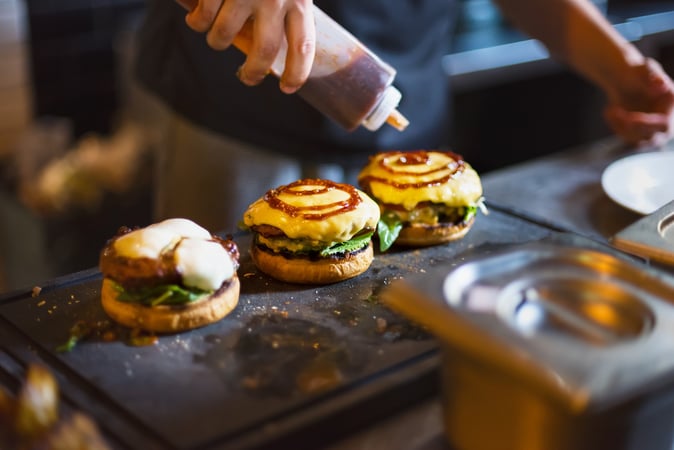
Now more than ever, we have seemingly unlimited options when it comes to dining out. With consumers increasingly eating out, businesses will need to leverage excellent customer service to differentiate. You don’t have to look far to see incredible success through unique services: Spotify, Uber, Warby Parker, and Casper are just a few examples of businesses whose product offerings are not revolutionary, but whose product delivery is unique. Source: https://www.bloomberg.com/news/articles/2015-04-14/americans-spending-on-dining-out-just-overtook-grocery-sales-for-the-first-time-ever This is why it’s more important than ever before to prioritize employee training. Ensuring food safety and consistent experiences across stores will be the only way to stay relevant in the eyes of the consumer. …

Before the advent of digital technologies, monitoring temperature to ensure food safety was limited to manual inspections using paper checklists. Surprisingly, analog systems continue to persist within the food services industry. Perhaps the biggest advantage of a manual method is its cheaper cost to implement. But given the new strict standards of the Food Safety Modernization Act (FSMA), FDA requirements for electronic record-keeping, and the increasing complexity of food processing technologies, the paper mindset is quickly becoming out-of-date. In fact, the inefficiencies, inaccuracies, spotty records, and lack of real-time data typical of manual inspections and paper checklists may end up, in the long run, far costlier in terms of foodborne illness risks. Paper vs. Digital Checklists …
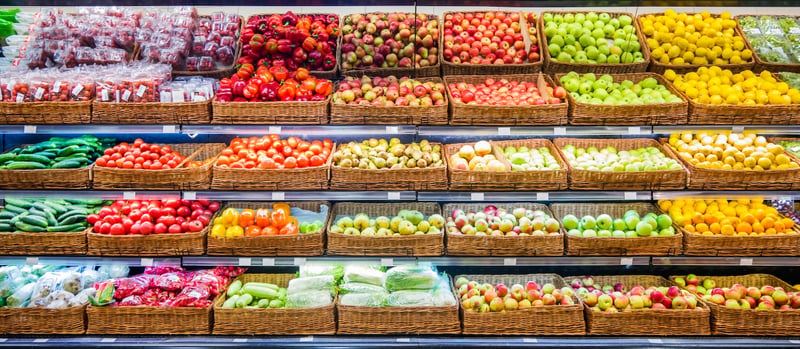
The FDA recently announced that they will publicize the names of retailers associated with recalls “where consumption of the food has a reasonable probability of causing serious adverse health consequences or death to humans or animals.” Previously, they would only release the name of the recalled product rather than specific retailers distributing the product, largely due to confidential supply chain information. Take a look at five reasons why the FDA is publishing retailers involved in food recalls. 1. Preventing Foodborne Illness First and foremost, the FDA protects and promotes public health throughout the United States. The FDA’s establishment in 1906 paved the way for preventing foodborne illness, despite its origin stemming from a tetanus-contaminated serum sourced from a horse …
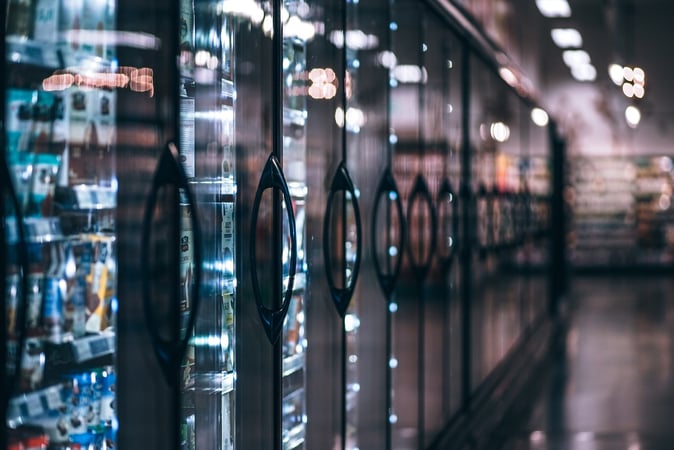
There are now over 154,000 convenience stores in the US – the only brick and mortar format that continues to expand, despite the fact that omnichannel lines between conventional retail and online experiences are continuing to blur. What is driving the steady evolution of retailers who sell fuel with food as an afterthought, to food retailers who happen to sell fuel? The answer lies with the proactive ones, the ones who are building brands through operational excellence that will sustain them through this evolution, who have figured out how to give the people what they want. This encompasses many things – fresh foods that deliver a ‘better for you’ promise, cold brew specialty coffees and beverages, a variety of fresh grab-and-go products, a produce offering, and in some instances; …
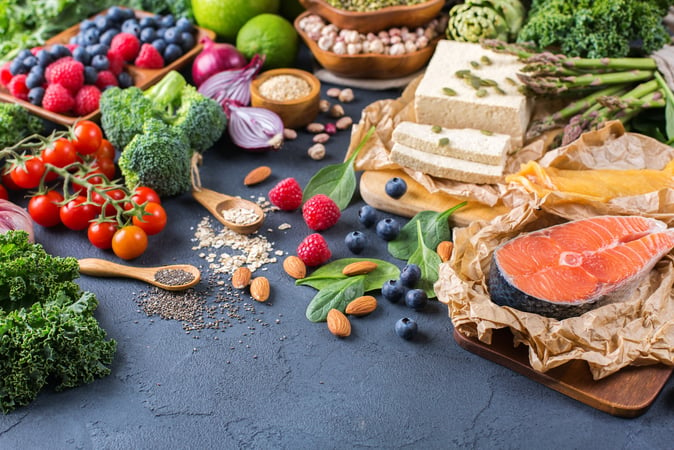
September is National Food Safety Education Month, and we wanted to highlight methods for implementing safer food practices. The CDC has reported that 48 million people per year get sick from a foodborne illness, many of which are preventable. It is important for food service professionals to be aware of the primary types of food safety hazards, and the best methods of prevention. Food Safety Hazards There are four primary categories of food safety hazards to consider: biological, chemical, physical, and allergenic. Understanding the risks associated with each can dramatically reduce the potential of a foodborne illness. Each have their own unique characteristics, but all can be avoided through a robust food safety management system (FSMS). Biological Hazards Biological hazards are …