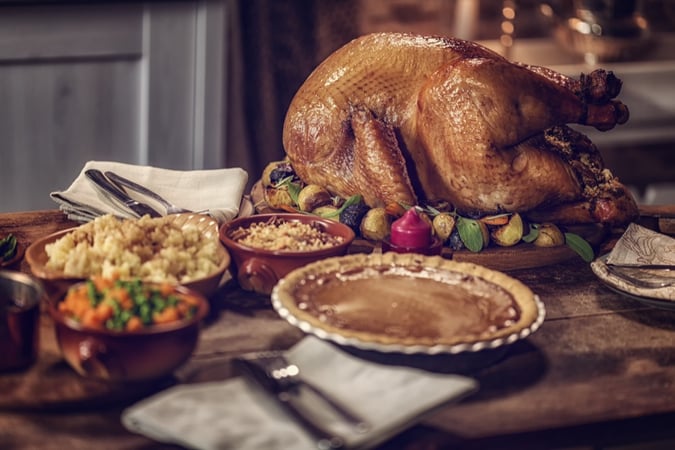
In our previous post about inventory management during Thanksgiving, we touched on the importance of turkey as the key food product most in need of careful advance planning to optimize stock. In this post, we’re taking a deeper dive into the safety issues turkey raises along the cold chain. Every year, a significant number of consumers acquire foodborne illnesses during the holiday season. Just last year, 22 turkey slaughter operations and seven processing facilities were contaminated with a deadly strain of Salmonella. The CDC reported that 164 people across 35 states were confirmed infected and more than 60 admitted to hospitals, where at least one died. Faced with these statistics, grocery stores are under enormous pressure to ensure a safe Thanksgiving. All it takes is one scary …
Connected Insights Blog
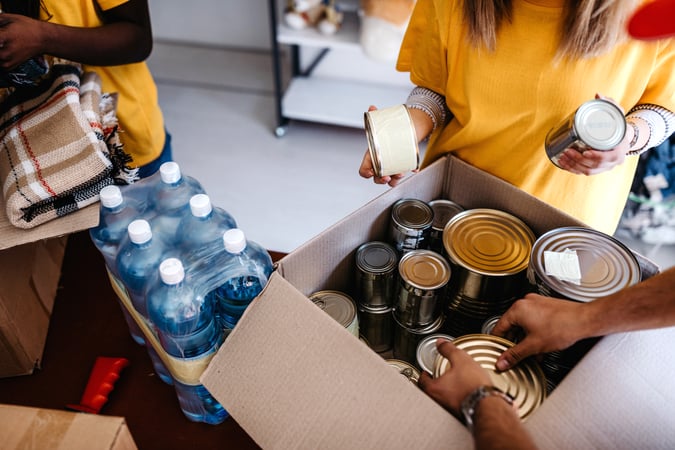
An often-overlooked function that transportation carriers and operators provide is meal delivery during and after a major disaster. When a hurricane strikes, wildfires consume a region, floods rush in, or an island is nearly devoured by dangerous winds and rains, much of the infrastructure of an area can be wiped out. The food that's available to survivors is either nonexistent or unfit for human consumption. Aiding Disaster Relief Various transport modes have been used to bring food to disaster areas to feed hungry survivors. When a hurricane struck the Bahamas, the major cruise ship operator Royal Caribbean Cruises went into the area to not only accommodate survivors, but also to serve about 20,000 meals a day and provide much-needed medical supplies. Explorer of the Seas, a cruise ship …
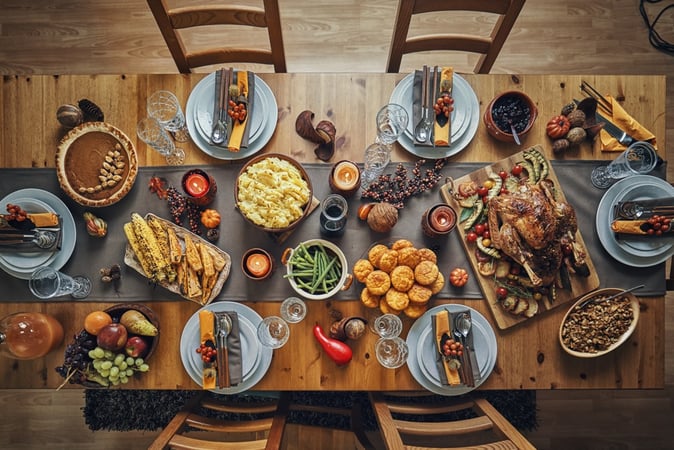
As Thanksgiving Day approaches and grocery stores gear up to provide shoppers with all their holiday favorites – turkey, potatoes, green beans, pumpkins, and cranberries – most consumers don’t think about the immensely complex supply chain that delivers all these goodies to their tables. Come to think of it, many store employees probably aren’t fully aware of just how much is involved: from production on the farm and processing at manufacturing plants to transportation over long highways and final sale at the supermarket. This year, more than 250 million Americans will celebrate Thanksgiving. That adds up to $2.375 billion spent on food for a traditional dinner – an almost incomprehensible amount of stock to plan for in advance. The very idea of a 21st century Thanksgiving meal is not …
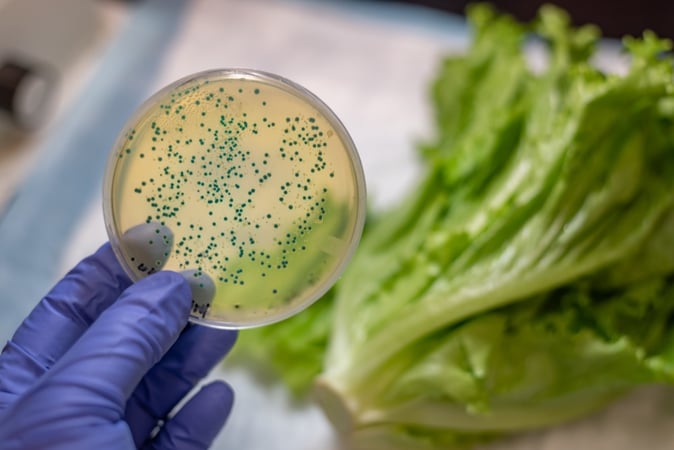
Recently, hundreds of pounds of salad from Whole Foods, Trader Joe's, and Walmart were recalled due to concerns about salmonella and listeria contamination. The food supplier was a California-based company that was responsible for recalling some 2,811 pounds of ready-to-eat salads. What Is The Difference Between a Recall and an Outbreak? According to the U.S. Department of Agriculture, a food recall occurs when there's some reason to believe that a food might cause consumers to become ill; in the case of the salad it was salmonella or listeria that could cause food poisoning and other subsequent illnesses. A food producer initiates the recall to take the products off the market immediately to avoid further health problems and to protect their liability. In some situations, food recalls …
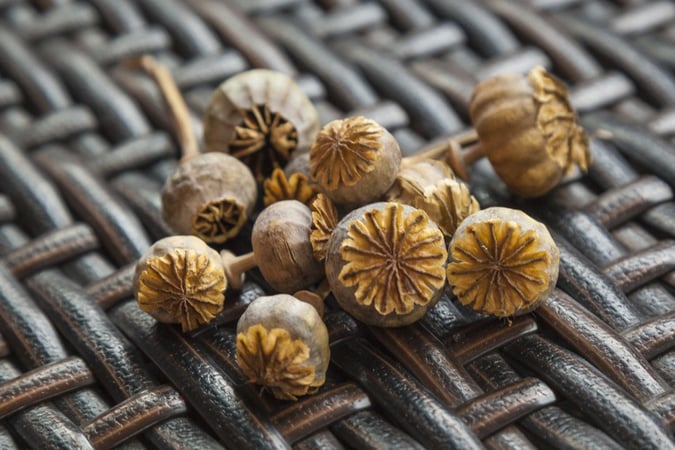
Friedrich Sertürner was 21 years old, working as a pharmacist's apprentice. He had no formal scientific training. He had a hypothesis that contradicted everything the medical establishment believed about plant-based compounds. When he published his findings in 1805, they ignored him. It took more than a decade for the scientific community to catch up. When they did, it became clear that Sertürner had done something nobody had ever done before: isolated the active ingredient in a medicinal plant and extracted it in a pure, measurable form. He named it morphine, after Morpheus, the Greek god of dreams. In doing so, he made it possible, for the first time in history, to prescribe a painkiller in a dose you could actually calculate and trust. That sounds like a small thing until you consider …
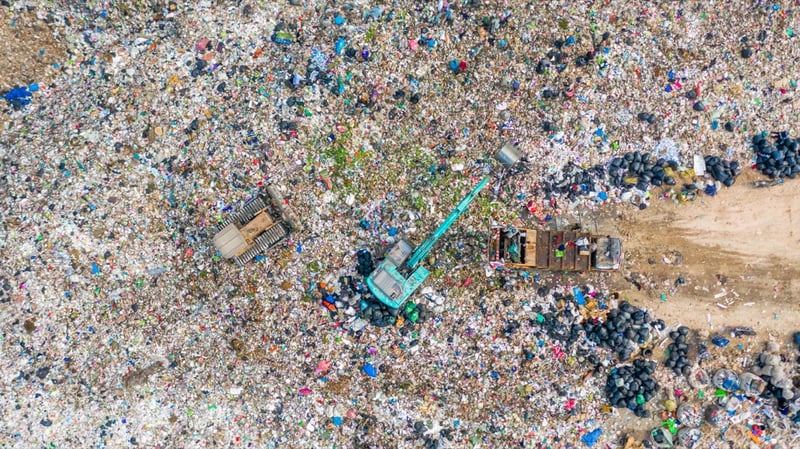
Earlier this year, Seattle resident Nathan Gregg made a disconcerting discovery at the downtown municipal dump: a pile of Amazon Go packaged meals stacked nearly 6 feet high. Gregg took photos that clearly show salads, wraps, and sandwiches in their original sealed plastic containers alongside other packaged food products. Food unnecessarily wasted from an Amazon Go store. Photo by Nathan Gregg. Source: https://www.buzzfeednews.com/article/nicolenguyen/amazon-go-waste-food-packaging Responding to media coverage of the incident, an Amazon spokesperson explained that the company’s strategy is to compost food unfit for donation and recycle the packaging. Deflecting any responsibility for the disposal, Amazon implicitly blamed local nonprofits instead: “Amazon Go’s policy is to donate unsold …