
What is the vaccine cold chain? The short answer is: the maintenance of a temperature-controlled environment to ensure vaccines are transported and supplied in optimal condition. The cold chain begins with the refrigerated storage unit at the...
Connected Insights Blog

Food preparation, holding, serving, and storing is a complex chain of interdependent touchpoints. Perhaps no product other than food undergoes such rapid and drastic temperature changes, from freezing in storage to piping hot in the oven, often in a...
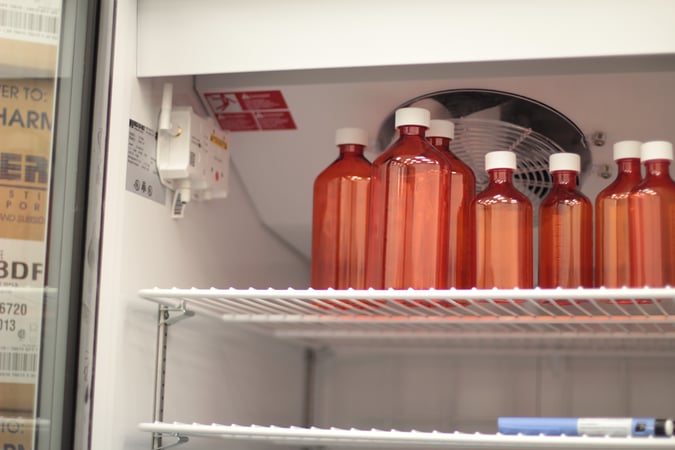
If there’s one rule to follow when refrigerating vaccines and diluent, here it is: Always refer to the manufacturer’s product information and package inserts for the most up-to-date recommendations.
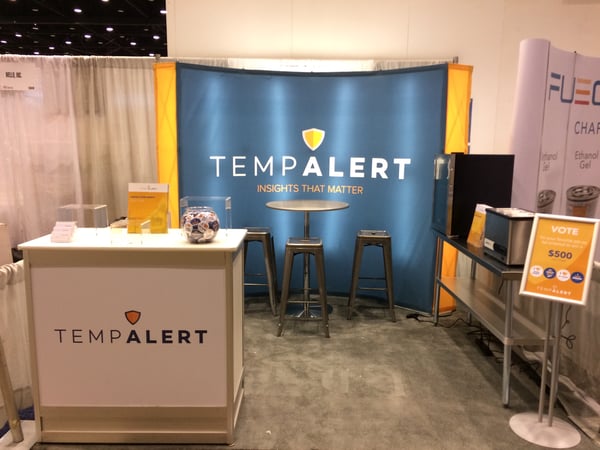
Recently, SmartSense exhibited at the National Restaurant Association (NRA) show in Chicago, IL. The NRA is the largest foodservice trade association in the world and supports over 500,000 restaurants. In addition to restaurants, in attendance at...
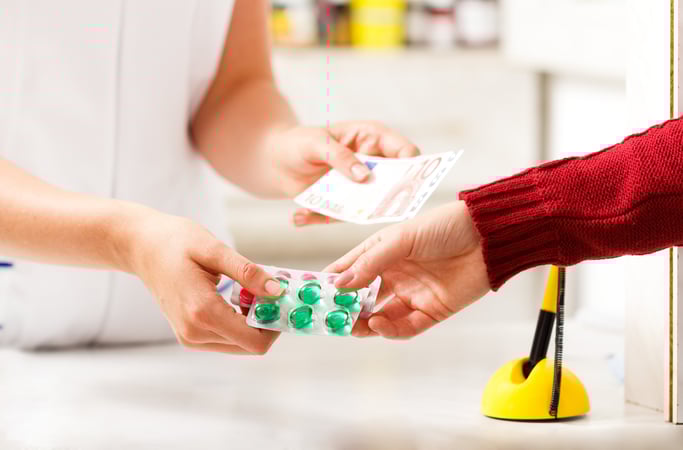
Pharmacies are the go-to source for life-saving medications, especially ones which treat rare diseases and disorders. The costs of these drugs can be quite high. More than ever, maintaining vaccines, insulin, and other pharmaceuticals at their...
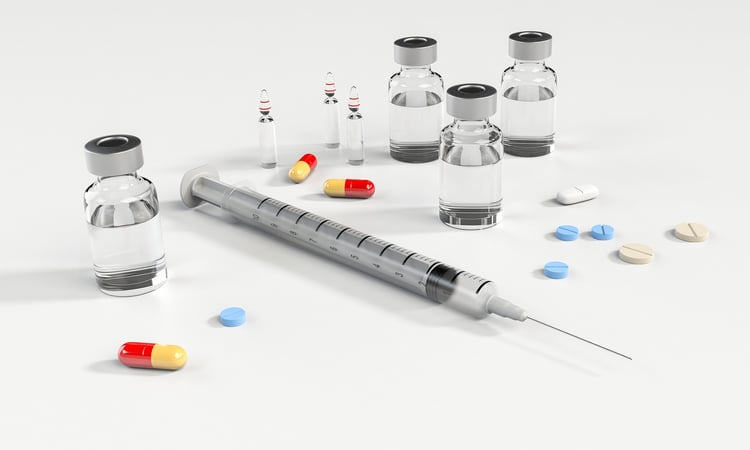
Think about all of the time, money, and care you invest in your pharmaceutical products throughout the R&D process. How terribly unfortunate it would be if damage fromsub-optimal storage conditionskept them out of the market.