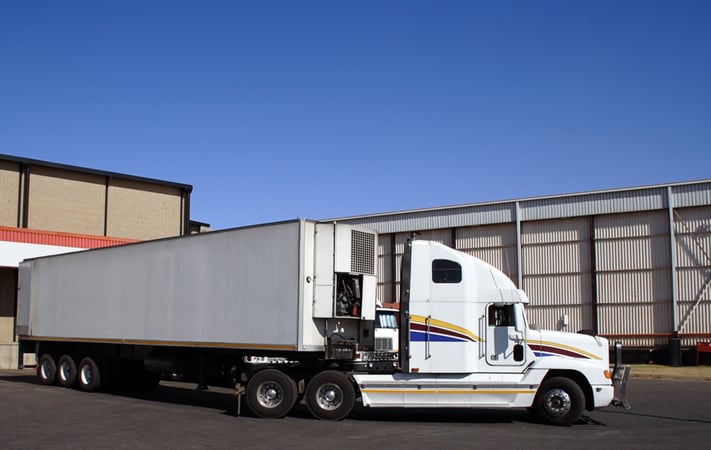
This is a 2019 news post. For the rules that apply now, start with Key Federal Food Safety Laws: A Complete Compliance Guide (Updated 2026). On January 15, Canada’s new safe food law replaced fourteen sets of previous regulations, effectively altering the course of the nation’s food safety requirements for both importers and exporters. Officially called the Safe Food for Canadians Act (SFCA) and the Safe Food for Canadians Regulations (SFCR), the law recognizes new threats to food safety, changing consumer preferences, and prevention-focused international standards. The Canadian Food Inspection Agency (CFIA) is shifting its focus to prevention of foodborne illness and allowing for faster removal of unsafe food from the marketplace. The new requirements will provide clear and consistent …
Posts about Food Safety (18)
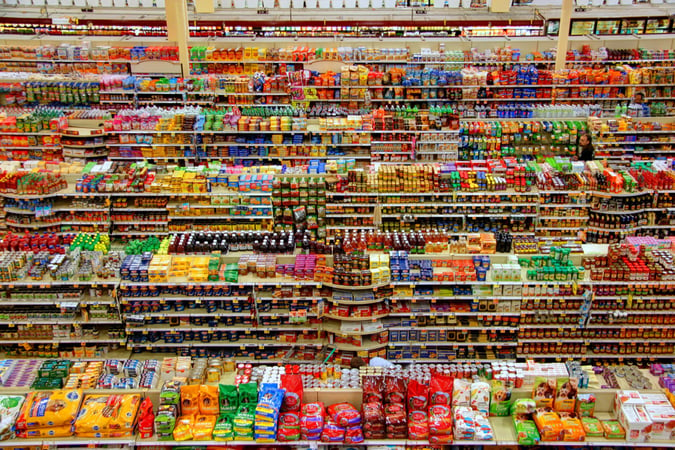
Grocery stores, supermarkets, convenience stores... from name brands to mom and pop shops, the retail experience has changed drastically over the years. Self-service grocery stores however, both large and small, have remained largely unchanged since their inception in 1916 by Piggly Wiggly. The introduction of the shopping cart in 1937 by Sylvan Goldman, owner of the Humpty Dumpty supermarket chain, further upended the grocery market. Since then, there have been relatively few changes in the grocery shopping experience. So what’s next for grocery asset management? In this post, we’ll examine the future of how customers might experience their local grocery store, and ways to stay one step ahead of the competition. Enabling Grocery Store IoT Technology As grocery store technology has …

In our previous post, we outlined the environmental impact of using paper, but did not cover in detail how digital solutions can reduce waste and improve efficiencies that lead to lower carbon emissions. SmartSense solutions can be leveraged to improve our environment and reduce harmful emissions. From reducing food waste to improving fleet productivity, remote monitoring provides a new means of keeping our climate in-check. Reducing Food Waste Food waste is a huge problem. Significant greenhouse gas emissions are produced each year as a result of wasted food products, primarily in developed and emerging nations. Food waste looks different depending on where in the world you look: higher-income countries have problems with food waste in households, whereas lower-income countries have more …
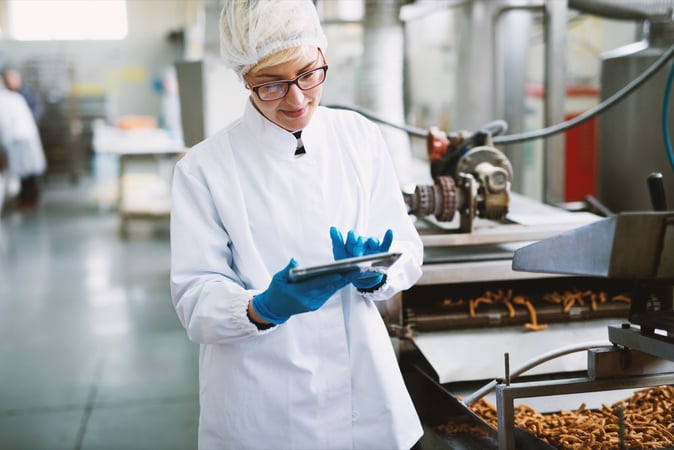
With each passing year of the 21st century, the restaurant cold chain continues to grow in new directions. Compared to 20 years ago, It’s less linear (similar to a chain) and more branching (resembling a tree). Plus, there are more touchpoints and more individual players involved. One significant reason for these developments is changing consumer tastes, in both food and service. With the rise of the organic movement, customers want fresh, local ingredients which means more farms to deal with, new transportation routes to cover, and greater care needed to keep perishable foods in the right temperature zones. Simultaneously, the consumer desire for greater convenience has blossomed into a novel variety of takeout, eat-in and delivery options – everything from kiosks and self-service to …

As we’ve said before, food safety is no easy task: it requires diligence, patience, and above all else, commitment to ensuring customer safety and product quality. All food service businesses have the same obligation to safety, whether or not they are a family run restaurant, a quick service chain with stores worldwide, or a public venue that serves thousands of guests in a few short hours. Recently, ESPN reported on the state of food safety at public venues and the results are dismal. Among the many violations located in stadiums includes mouse droppings in cooking areas, employees spitting into food, and improper temperature storage for both hot and cold foods. The Challenges of Feeding Fans at Stadiums Public venues, like baseball fields or soccer stadiums, are in a difficult position …
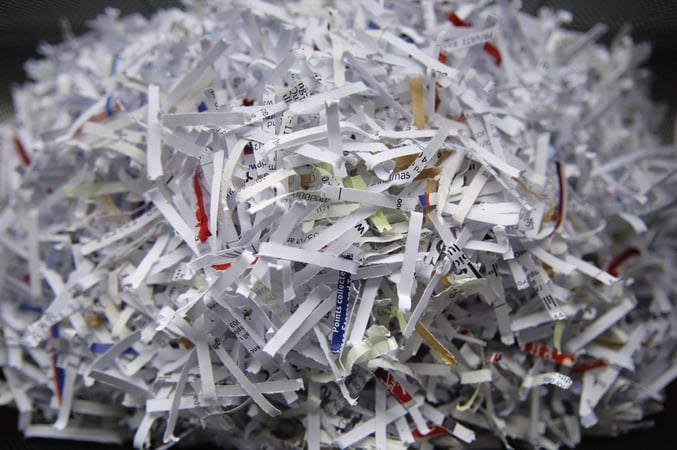
A single tree can produce anywhere from 10,000 – 20,000 sheets of paper. On the surface, this seems like trees are extraordinarily efficient at being a paper source, but the real problem with paper usage is more complicated. Some estimates put current recycling efforts for paper at 50%. Despite the incredible ability of our leafy friends to be the main source of our paper, we are not capable of reusing its bounty as efficiently as we might expect. One solution would be to improve recycling efforts so that we are reusing closer to 100% of the paper we produce. Another, simpler option: use less paper! We have written extensively on the benefits of digital checklists, but have yet to discuss in detail the threat on the environment that paper processes impose. Let’s take a look at how you can …