
In its conventional usage, “sushi” refers to the popular Japanese delicacy in which cooked rice is formed with raw fish. Well-known variations include nigiri, maki, and hand rolls, made either manually using bamboo mats or mechanically using specialized tools. Both of sushi's main components—raw fish and acidified rice—are highly perishable and prone to pathogens that can cause outbreaks of foodborne illness. Therefore, like other foods subject to HACCP protocols, the ingredients for sushi require strict attention to food safety and quality issues during all phases of the supply chain: transport, storage, preparation, holding, display, and sale. In this post, we take a look at the logistics of safe sushi production, in particular best practices to ensure the safety and quality of both raw …
Posts about Food Safety (6)

Restaurant managers and GMs across the country know the headache all too well. Even if you're diligent about completing daily temp logs, it's nearly impossible to know whether your employees are actually doing them correctly. The truth is, most restaurants have room to improve their food safety operations and temperature logs are usually the first place to start. Pencil-whipping temp logs is one of the most common (and quietly accepted) problems in the restaurant industry. It's not hard to understand why. Temperature logs are time-consuming to do properly, and restaurants move fast. When the lunch rush hits, pulling out a clipboard feels like the last thing anyone has time for. The good news? SmartSense Digital Food Safety has changed all of that with instant readings and automatic …

Today's consumers are more informed and health-conscious than ever before. They read labels, check ingredients, scan for allergens, and pay close attention to expiration dates. For food businesses, that shift in consumer behavior means accurate food labeling is no longer just a regulatory checkbox. It's a fundamental part of building trust and protecting the people you serve. SmartSense's digital food labeling system is built to meet that standard, giving food businesses a reliable, efficient, and easy-to-use solution for getting labeling right every time. Why Food Labels Matter for Consumer Health Food labels are one of the most direct forms of communication between a food business and its customers. A good label tells consumers what's in the product, how nutritious it is, what allergens …

IoT-enabled Sensing-as-a-Service solutions offer valuable insights and automated, prescriptive workflows that empower employees to protect supply chain assets in real time. In this post, we examine three supply chain networks that clearly demonstrate the benefits of implementing a digitalized monitoring system: retail food service, laboratory research, and vaccine administration. Food Service: Ensuring safety, quality, and supply with advanced traceability With the FSMA Final Rule on Produce Safety taking effect in January 2026, food service companies must prepare now to ensure they can comply with the new food safety standards and regulations. Issues such as cross-contamination, allergen control, and ingredient traceability remain crucial to ensuring the health of both customers and …
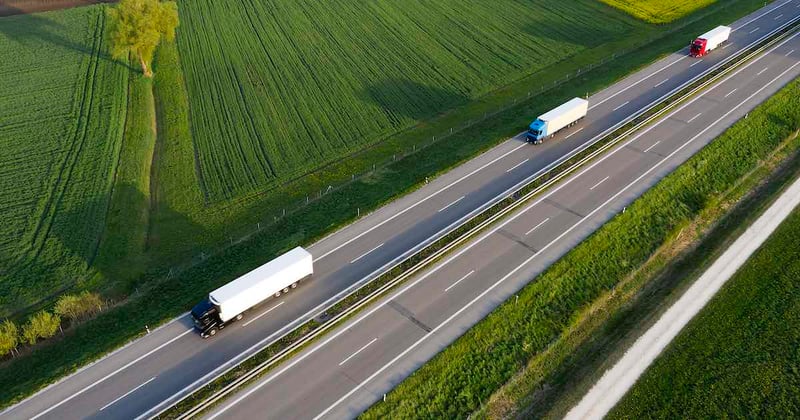
Successful food retailing is a complex operation that starts long before product arrives at the store. For instance, a pivotal point in this process is the transfer of product from transport vehicles to a grocer’s warehouse. Why? Because temperature-sensitive foods deteriorate quickly if not stored promptly in refrigerated areas upon delivery. Of course, the flow of food across the supply chain encompasses a multitude of similar points of contact requiring timely action to maintain food safety, quality, and availability. In this post, we take a look at why end-to-end transparency, also known as “supply chain visibility,” is a must for the modern grocer and food retailer. Supply chain visibility (SCV) is essentially an inventory logistics strategy that tracks, monitors, and records the …

The cycle foods travel along the cold and value chain is called the “flow of food.” When the flow of food is subject to federal regulations, commercial and not-for-profit food service operations are legally responsible for the safety of all their food products at each step along the chain: purchasing, transporting, receiving, storing, cooking, holding, cooling, reheating, serving, and delivering. Monitoring temperature of foods at each link in the supply chain is essential to prevent contamination by pathogens that can lead to foodborne illness, deterioration of freshness and quality, product loss, damage to brand reputation, and threats to the well-being and satisfaction of both paying customers and populations in the public trust. To minimize these risks, forward-thinking leaders who …