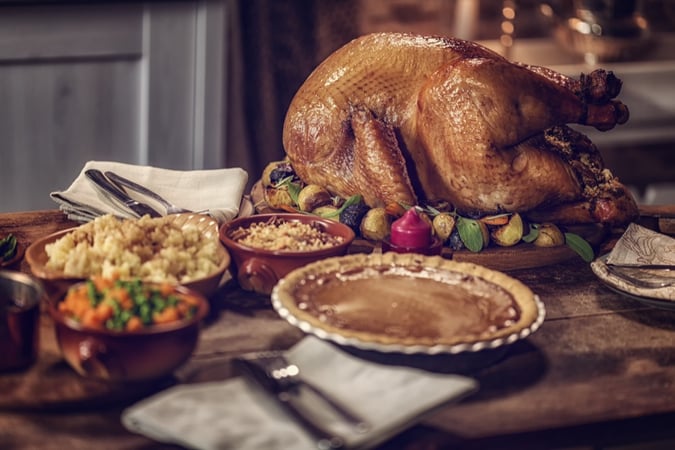
In our previous post about inventory management during Thanksgiving, we touched on the importance of turkey as the key food product most in need of careful advance planning to optimize stock. In this post, we’re taking a deeper dive into the safety issues turkey raises along the cold chain. Every year, a significant number of consumers acquire foodborne illnesses during the holiday season. Just last year, 22 turkey slaughter operations and seven processing facilities were contaminated with a deadly strain of Salmonella. The CDC reported that 164 people across 35 states were confirmed infected and more than 60 admitted to hospitals, where at least one died. Faced with these statistics, grocery stores are under enormous pressure to ensure a safe Thanksgiving. All it takes is one scary …
Posts about FSMA (3)
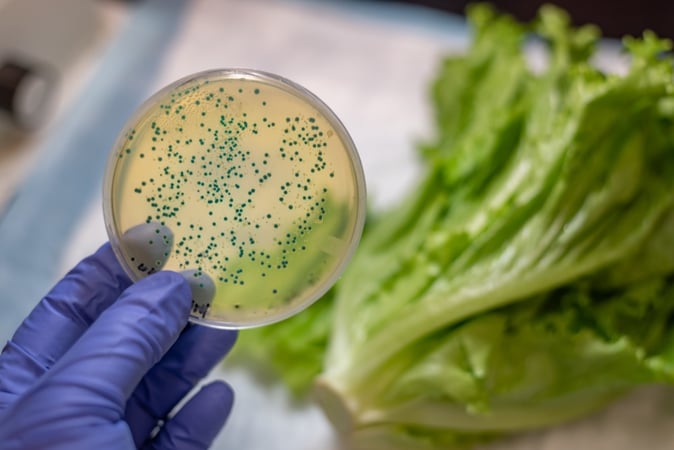
Recently, hundreds of pounds of salad from Whole Foods, Trader Joe's, and Walmart were recalled due to concerns about salmonella and listeria contamination. The food supplier was a California-based company that was responsible for recalling some 2,811 pounds of ready-to-eat salads. What Is The Difference Between a Recall and an Outbreak? According to the U.S. Department of Agriculture, a food recall occurs when there's some reason to believe that a food might cause consumers to become ill; in the case of the salad it was salmonella or listeria that could cause food poisoning and other subsequent illnesses. A food producer initiates the recall to take the products off the market immediately to avoid further health problems and to protect their liability. In some situations, food recalls …
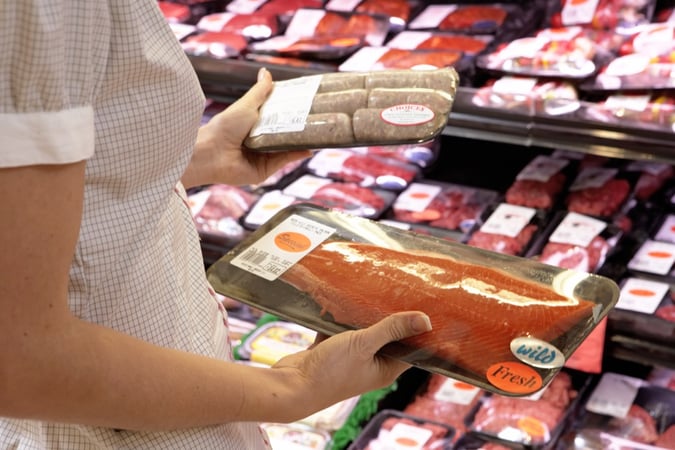
Every year, the USDA manages over 100 recalls (sometimes as many as 150) across the United States. These recalls are made for a wide range of issues, from something as simple as an undeclared allergen to issues as dangerous as Shiga toxin-producing E. coli (STEC). Recently, a wholesale grocer recalled pre-cooked and raw meat and poultry products due to a lack of fridge temperature monitoring along the supply chain. This in and of itself is not particularly uncommon, however, the difference between this and more common recalls is the fact that the breakdown in food safety occurred as a result of temperature abuse during transport. Grocery Asset Sensors Help Prevent Spoiled Foods C&S Wholesale Grocers, the largest wholesale grocery supply company in the United States, acts as a …
Consider the thousands of fleet assets that operate within a logistics network. To keep order in the fleet, monitoring technology solutions have enabled yard management or the management of trailers and assets within a yard. For the fleet assets that transport goods and get them to their destination, supply chain monitoring is required to ensure proper asset utilization. Parcels and shipments are tagged with unique identifiers that contain pertinent information about the shipment. This may entail a detailed cargo manifest or bill of lading that includes weight, quantities, dimensions, destination, and warehouse temperature requirements. Geofencing utilizes geo-targeting and geo filters: the location attributes of any asset, or a human being for that matter, are incorporated and used for …
For current practice, start with Why Supply Chain Visibility is Essential for Food Retail. Monitoring the supply chain is essential for ensuring that perishable foods maintain their quality, and medications maintain their efficacy. In order to do so effectively, logistics managers need a solution that provides proof of inventory temperature throughout the cold chain. Real-time monitoring would not be possible without the help of IoT connected sensors and on-demand reporting. Live Demo: How SmartSense Improves the Supply Chain Join us on January 10, 2018, with Tony Vitulli, Support Manager here at SmartSense, to watch a live demo of our supply chain solution and find out how we are solving problems with supply chain visibility. Register now! In this webinar, Tony will give us a …

In late October 2018, food manufacturers recalled 4 million pounds of goods shipped nationwide to grocers and food distributors due to a Canadian shipper's recall of vegetables used in the affected products. Earlier in the year, a seed snack mix produced in the United States and shipped to Canada was recalled first in Canada and later in the U.S. for fear of contamination from Listeria, a harmful bacterial contaminant. Such incidents are emblematic of the emerging challenge of managing shipments across borders. These issues only heighten the importance of supply chain visibility and improved control of shipments between our bordering nations. Regulatory Crossfire: FSMA vs SFCA The Food Safety Modernization Act (FSMA), implemented by the FDA, regulates safety of foods from farm to table. …