
September is National Food Safety Education Month, and we wanted to highlight methods for implementing safer food practices. The CDC has reported that 48 million people per year get sick from a foodborne illness, many of which are preventable. It is important for food service professionals to be aware of the primary types of food safety hazards, and the best methods of prevention. Food Safety Hazards There are four primary categories of food safety hazards to consider: biological, chemical, physical, and allergenic. Understanding the risks associated with each can dramatically reduce the potential of a foodborne illness. Each have their own unique characteristics, but all can be avoided through a robust food safety management system (FSMS). Biological Hazards Biological hazards are …
Posts about FSMA (4)

For the rules that apply now, start with Key Federal Food Safety Laws: A Complete Compliance Guide (Updated 2026). Real-time Temperature Data Is Essential As a carrier of perishable products, food distributors now have a legal obligation to ensure goods in their custody and control are not “adulterated” via the Food Safety Modernization Act (FSMA). According to the FDA, the FSMA is meant to prevent unsafe practices from occurring during transportation, “such as failure to properly refrigerate food, inadequate cleaning of vehicles between loads, and failure to properly protect food.” (U.S. Food and Drug Administration) Refrigeration in motion remains the biggest challenge of meeting FSMA compliance. Most organizations are meeting compliance by investing in means to ensure temperature …
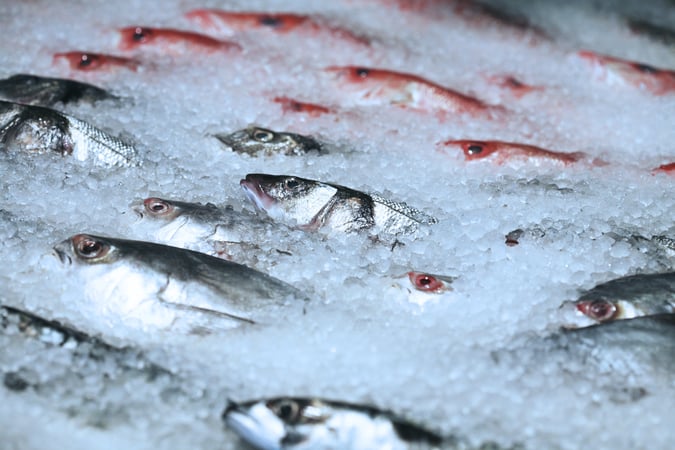
Twenty percent of the total United States’ food supply is imported. To break that down, 70% of our seafood is imported, as well as 35% of our fresh produce. That’s a lot, and it could likely include foods that are being distributed to your restaurants. So, how do we know that the imported food is safe? That’s why we have the Foreign Supplier Verification Program (FSVP). FSVP is part of the Food Safety Modernization Act (FSMA), and it protects food that is being imported into the United States. While the FDA hasn’t yet provided restaurants with specific guidance, there are still key aspects to familiarize yourself with, especially if you qualify as your company’s importer. FSVP ensures that foreign foods are being supplied and imported safely. That means products must meet the same level …
For the rules that apply now, start with Key Federal Food Safety Laws: A Complete Compliance Guide (Updated 2026). The FSMA Rule on Sanitary Transportation is one of seven foundational rules proposed by the FDA to create a risk-based framework for food safety. The overall objective of the rule is to prevent practices during transportation that create hazards, such as failure of refrigeration, inadequate cleaning of vehicles, and inappropriate packing materials. Ultimately, the rule was put in place to minimize the potential of a foodborne illness outbreak among consumers. Who Is Covered by the Transport Rule? Primarily, FSMA compliance, or more specifically the Transport Rule, establishes requirements for shippers, loaders, carriers by motor or rail vehicle, and receivers across the food …
For the rules that apply now, start with Key Federal Food Safety Laws: A Complete Compliance Guide (Updated 2026). When the Food Safety Modernization Act (FSMA) passed in 2011, it shifted U.S. food safety policy from a reactive afterthought to a proactive mission. That is, rather than responding to contamination after the fact, the law mandates preventing problems during manufacturing and transport before they occur. FSMA also provides the FDA with new enforcement authorities to achieve higher rates of compliance and tools to hold imported foods to the same standards as domestic foods. The goal of FSMA is to integrate local and state guidelines into a national food safety system that better protects public health and keeps consumers safe. FSMA is an important new law for food safety and …
For the rules that apply now, start with Key Federal Food Safety Laws: A Complete Compliance Guide (Updated 2026). It’s always better to be proactive rather than reactive when it comes to food safety. In an effort to be more proactive, the Food Safety Modernization Act (FSMA) was created to protect food during manufacturing and transport. In the end it plays a major role in keeping consumers safe. FSMA: What is It? According to the CDC, 48 million people get sick each year from foodborne illness; that’s 1 in 6 Americans. The FDA designed FSMA to control the manufacturing and distribution processes of food. Not only does this law track compliance and quality assurance, it also keeps the end consumer safe. Although this law was put into place in 2011, it is still in the early stages of …