
The Industrial Internet of Things (IIoT), also known as Industry 4.0, has received a lot of media hype in recent years. This movement entails connecting and monitoring equipment, vehicles, and other hard assets within a company’s aggregated information network to enable additional organizational insights, efficiency, and control. The benefits are clear for multiple industries. However, few vendors offer tangible products and services to enable the complete vision. In this series, we’ll offer practical advice to prepare your business for the IIoT and provide tips to select an IIoT platform. Future series will focus on specific industry solutions and more detailed examples of real-world IIoT deployments. A connected enterprise allows an organization to have more comprehensive, accurate, and …
Articles from SmartSense by Digi
Recent Posts

This is a 2018 news post. For the rules that apply now, start with Key Federal Food Safety Laws: A Complete Compliance Guide (Updated 2026). The highly contagious winter stomach bug, norovirus, has hit the Olympic Village in Pyeongchang. With the Olympics set to start this week, hundreds of staff members are being quarantined to their rooms to be tested for the virus and prevent the spread of the illness to the athletes and other individuals in the village. The security staff who are now in quarantine, are being replaced by 900 military personnel until the outbreak has passed. What is Norovirus? Norovirus, as explained by the Mayo Clinic, “is highly contagious and commonly spread through food or water that is contaminated during preparation or contaminated surfaces. You can also be …

Pharmacies have an obligation to store, deliver, and administer life-saving medications and vaccines. Since patients depend on them and costs are high, maintaining pharmaceuticals at their optimal temperature is paramount to both ensure their efficacy and minimize risk. Different products require various storage temperatures, so it’s important that your pharmacies are equipped with the proper refrigerator and freezer units. Here’s where it gets tricky: Scheduling manual checks of each unit throughout the day proves challenging when pharmacists are busy with patients. A digital, remote, continuous temperature monitoring system that connects all of your storage units in a single centralized system cuts out the manual requirement, so pharmacists can focus on patients. It’s also the most …

At SmartSense, we go beyond monitoring the temperature of your assets—we also monitor our own system of sensors to ensure that we get all of the temperature readings when they’re expected. SmartSense customers span across multiple industries and deploy our systems for myriad reasons. Most of their needs fall into three broad categories: real-time alerting, analytics, and regulatory compliance. To assist our clients, our sensors need to have a complete, real-time view of the cooler or freezer in which they’re placed. Not having this view could be detrimental as, for example, a client’s cooler full of temperature-sensitive medicine or fresh produce may just go out of its temperature range at the exact time that the sensor has connectivity issues. Incidents like this can prevent our client …
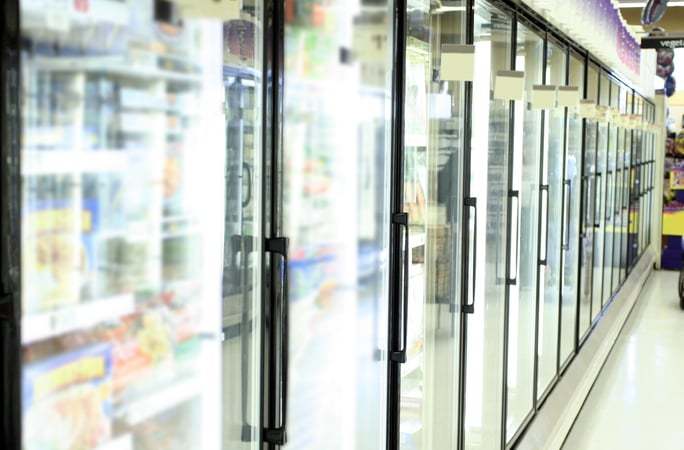
Food safety and pharmaceutical storage are two applications where knowing the temperature of the storage area for a product is critical to ensuring its safety and viability. Produce will spoil quicker when it’s not cooled during storage, which can lead to quality issues in the freshness and taste of the final product. Even more seriously, this creates a risk of making consumers sick if bacteria are able to colonize it and pharmaceuticals can lose potency or become unsafe if not stored in suitable conditions. In many places, regulations are in effect that require retailers to be able to demonstrate that they have safely stored products. These regulations vary from location to location; some only require twice-daily readings, while others require strict continuous temperature monitoring. …

Technology is causing swift transformations in the methods that pharmacies now use to manage and dispense drugs and medications. Advances in diagnostics, automation, and analytics help pharmacists provide better customer service, while also improving patient outcomes and logistical efficiency. The good news is that many of these new technologies are scalable and flexible, which means that pharmacies can gradually integrate new functions into the systems they already use. We put together SmartSense’s top 11 technologies that pharmacies should consider implementing in 2018—if you haven’t already. Pharmacy Management Systems What is it? Pharmacy management systems include software applications that track adherence and flag non-adherent patients who may require interventions. Software can …