
How do we improve traceability in food value chains? A recent report by the World Economic Forum in collaboration with McKinsey & Company outlines in great detail new strategies that stakeholders can take advantage of. They explore ways within complex and extended supply chains that those responsible for marketing perishable goods can take to improve the traceability of food shipments within their value chains as they're shipped around the world. The Vast Global Food Chain The report begins with an overview of the vast food value chain that now exists: "The food and agriculture sector is the single largest employer in the world, despite a majority of its workers living in poverty," the report states. "Nearly one-third of global food production is wasted, yet up to 800 million people …
Posts about Supply Chain (6)
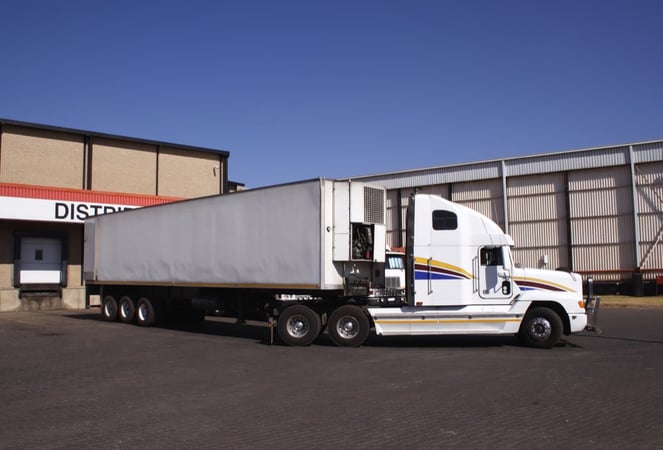
Refrigerated and temperature-controlled cargo is becoming more popular as more commodities require specific climate conditions for transport. More and more goods are traveling around the globe, and often these commodities have a higher value because of their perishable characteristics. This includes produce and other food perishables as well as pharmaceuticals and medicinal products that must be kept in a temperature-controlled environment. For fleet managers and transportation managers, this poses some new challenges, especially in risk management. Because any failure to maintain temperature or other required climate characteristics can result in damage or cargo loss, more is at stake. Therefore, careful temperature management practices must be ensured in order to prevent such losses. …

California has experienced unusual weather throughout its 169 year history, but more recently the most populous U.S. state has seen widespread droughts and severe wind. This has caused utility companies to take proactive measures to prevent wildfires - another issue this state is no stranger to. Drought and wind contribute to starting wildfires, leading to the difficult decision of cutting off power for customers. The utility companies are turning off power because of aging infrastructure that can cause wildfires in peak-demand conditions. Despite warnings from the utility companies, organizations will have to take precautions to ensure that the power outage won’t negatively impact their business. This is particularly damaging to businesses that have stock of perishable foods, such as …

How do you get insulin to remote countries like Eritrea, Tajikistan, and Pakistan? Or how about delivering life-saving blood-clotting hemophilia treatments to places to the barrios of Puerto Rico, El Salvador, and Jamaica? Or cancer-fighting drugs to places like Malawi, Belarus, and Syria? Direct Relief knows how. Direct Relief is self-described as "a humanitarian aid organization, active in all 50 states and more than 80 countries, with a mission to improve the health and lives of people affected by poverty or emergencies – without regard to politics, religion, or ability to pay." Supply Chain = Lifeline? The cold chain for the pharmaceutical industry does not simply act as a supply chain, but also as a lifeline. Like the delivery of other commodities, it's under enhancement with …

Delano, California is grape country. The northern California town is located about 30 miles from Bakersfield, and is the home of grape growers. It's also the site of the 1965 Delano grape strike led by then activist Cesar Chavez of the National Farm Workers Association (NFWA). At the time he led the workers seeking improvements in farm workers wages and working conditions. Today, however, the region is thriving in grape production, and one company, smack dab in the middle of that grape production is Jasmine Vineyards. They're a major grower of grapes of all types with red, green, and bluish colored grapes bearing names like Summer Crunch, Sweet Globe, Great Green, Scarlet Royal, and Summer Royal. Jasmine vineyards rely on the cold chain to not only store their crops, but also to …

A road train, sometimes called a land train, is a configuration of truck and trailers that is able to carry large loads of cargo across challenging terrains. They are used in rural and sometimes remote areas in Australia, the United States, and Europe. Road trains are designed to move freight, and usually consist of a prime mover that pulls two or more trailers or semi-trailers. How road trains grew out of wagon trains The heritage of these unique transport assets dates back to the days when a single source of power (usually animals) pulled multiple wagons. They were first identified in South Australia in the mid 19th century, pulling such cargo as minerals to trading ports. Later, they were replaced by railways. Over time, the technology evolved to become a vehicle powered by a single …