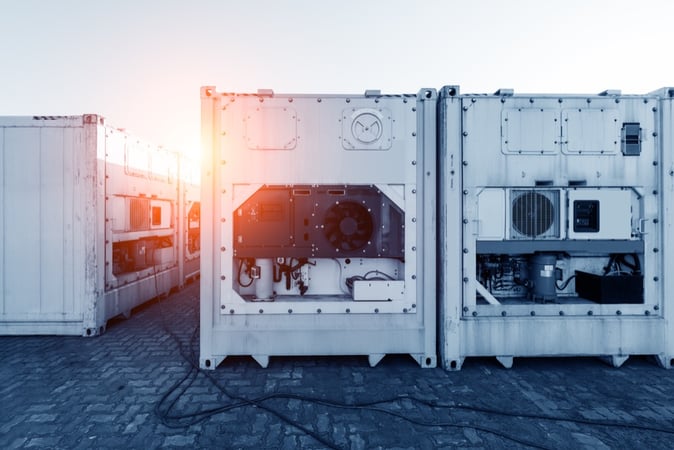
Your fleet must be fully compliant with the FDA's Food Safety Modernization Act (FSMA) regulations in order to maintain good standing. This requires recurring self-assessment. As a food transporter, it’s important to answer questions about your fleet practice to help you stay prepared and in line with the new regulations. We've outlined five basic questions that you can start with to ensure that your fleet is food safe. 1) How are you managing temperature within your fleet? This is one of the most important aspects of transporting perishable foods, especially if there is a high chance of foodborne illness. There are various ways to maintain temperature; however using the latest technology is often the best route to ensure that the temperature is not only maintained, but also monitored and …
Posts about Supply Chain (7)

Food retailers are gatekeepers to the U.S. food system. They influence what products travel from farms to shelves, and help determine consumer shopping trends. For these reasons especially, grocers are increasingly under pressure to prevent grocery food waste. For instance, the Center for Biological Diversity (CBD) recently took the industry by surprise, grading the country’s top 10 largest supermarkets on their waste reduction efforts. Only three got an A. The rest got bad publicity. That’s understandable. Supermarkets are responsible for 10% of all U.S. food waste – that’s 43 billion pounds annually. According to the Guardian, the food supply chain wastes 45% of all produce, 35% of seafood, 30% of cereals, and 20% of meat and dairy products every year. Additionally, the Environmental …

Geofencing is an emerging technology with many uses and much utility for a wealth of industries. When it comes to geofencing, some applications are interesting and stand out emblematically, showcasing the many uses it provides. For example, cities are now using geofencing to control the use of mobile transportation devices such as scooters or bicycles that supplement pedestrian traffic. Cities are also limiting the type and number of micro-mobility devices such as e-scooters that move inside their boundaries. As riders test the limits, geofencing is used to remotely enforce speed as well as parking and allowable zones for these devices. More specifically, in Santa Monica, California, geofences are used for their brigade of e-scooters within the city. An e-scooter user may go about their …
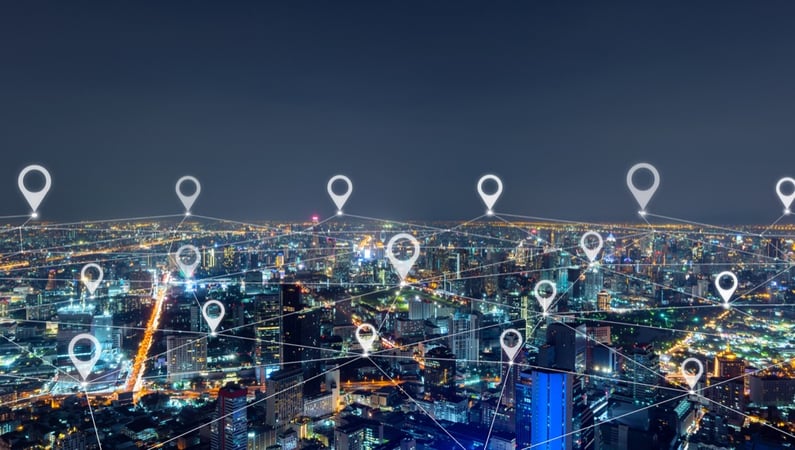
Geofencing isn't exactly new, but it is an important technological concept that's being utilized not only in the transportation sector, but in many other industries as well. It has many capabilities and allows an enterprise to utilize geolocation for better control and management of the supply chain. What is a Geofence? So, what exactly is geofencing? A geofence is just as it sounds: a virtual perimeter that's used in a physical geographic area. It can be dynamically generated to create a radius around a certain point location with a predefined set of boundaries. Examples include a school zone, a neighborhood boundary, or a transportation territory within a marine terminal or freight yard. A geofence uses a location-aware device to provide a specific service, contingent upon location, …
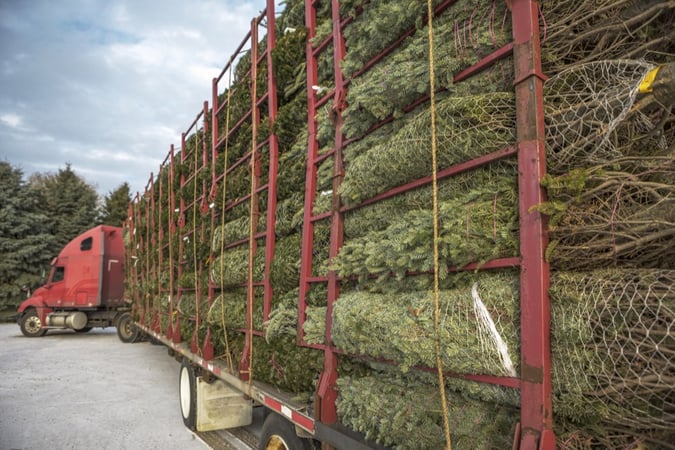
The tree at Rockefeller Center in the heart of the holiday hullabaloo, smack dab in the middle of New York City, is iconic, surrounded by skaters, chocolate shops, ornamental angels lit up and in formation, and plenty of tourists who swarm the area to see the Norway Spruce that's delivered to the site about three weeks before Thanksgiving. The Rockefeller Center tree may be iconic, but live trees are still popular. Getting them from a tree farm or other grower's site to the inside setting of your home, is an interesting and challenging journey. Winter celebrations at the Rockefeller Center, including a skating rink and a Christmas Tree. In 2017, the New York Times reported on the journey of a Christmas Tree. They described the supply chain as one where the tree had been “hacked, hauled …
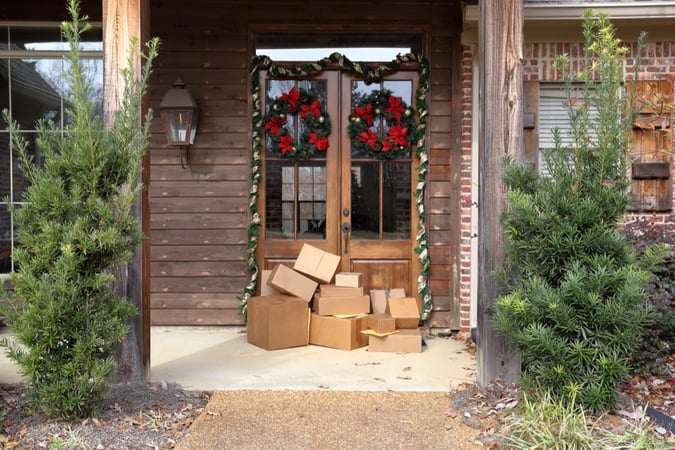
As consumers continue to begin their holiday spending rendezvous earlier, thanks to omnichannel options, they want reliable delivery that is fast and nimble. That's what Austin-based Convey found when they surveyed more than 2,500 US consumers identifies the trends and themes that will define the online shopping experience this holiday and beyond. Their report, Shoppers Have a Need for Speed – Not Just Free Shipping – This Holiday Season, found that “twice as many consumers saying speed is a critical factor this year versus last.” Consumers are increasingly concerned with how quickly their packages will arrive at their door. Compare this to just a couple of decades ago, where consumers were content with shipping speeds of 5-7 business days. Fast and Free Shipping Please "The fast, free …