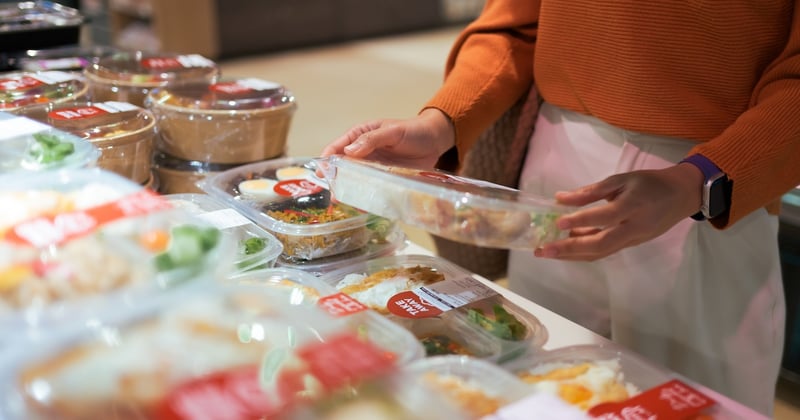
As of November 12, 2026, New York’s new allergen labeling law comes into effect. This means that food packaged and subsequently sold on the same premises will require clear allergen disclosure in the state of New York. There are no small business exemptions, and premises like cafeterias are included. Under this law, prepackaged food refers to food that is prepared, packaged, and offered or sold to customers on the same premises. It only applies to food that is packaged before a customer orders it. It does not include: Food that is not in packaging Food that is packaged after a customer has ordered it Made-to-order meals European food law already requires allergen information for these types of food, and this NY legislation is a step in the right direction towards greater allergen …
Posts about Food Safety
Last year, SmartSense’s inaugural Frozenomics survey showed that frozen foods serve as an economic safety net for many Americans, helping them find items that offer both savings and longevity. The survey also explored Gen Z shopping habits and the role of transparency in building consumer confidence in this category. Since that survey, inflation has moderated (but not disappeared), and recalls have consistently made headlines, including ones directly impacting the frozen foods category. To see how the past year's events have shaped consumer views, SmartSense has once again surveyed 1,000 US-based adults (21+) to better understand how trends, behaviors and insights are evolving. Consumers Remain Financially Squeezed Grocery inflation eased slightly in August, but prices remain 2.7% higher …
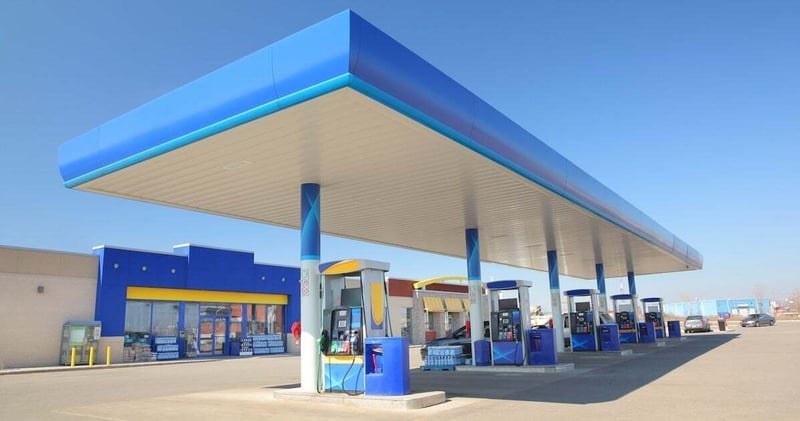
Scaling food safety and quality control across multiple c-store locations is more pressing than ever. Why? The trend toward freshly prepared, made-to-order foodservice fundamentally shifts the c-store concept from a retail model to a food service model. C-stores are now direct competitors with quick-service restaurants (QSRs). Consequently, fresh food carries significantly higher biological risks than pre-packaged snacks, while, at the same time, increasing logistical complexity. C-stores, therefore, must modernize their operations across several critical areas to improve KPIs. C-store operations managers must shift from legacy manual standard operating procedures (SOPs) to prescriptive workflows informed by automation, built-in guidance, and advanced analytics. Despite the new challenges …
The reputation of all food service organizations – from QSRs and C-stores to supermarkets and Michelin-starred restaurants – is built not only on quality and service, but also on customer trust that, quite literally, the food they consume won’t make them sick. HACCP systems and digital sensors have significantly improved food safety since the days of manual pen-and-paper practices. So why, then, are foodborne illnesses still a threat, such as the recent cyclosporiasis outbreak? The answer? Food safety cannot be guaranteed only by implementing compliance protocols and technological infrastructure. No doubt, IoT-enabled monitoring, real-time supply chain tracking, and AI-driven inventory governance systems remain the best technological solutions to streamline and automate food safety …

In food manufacturing and food service, operational efficiency is not a goal that exists in isolation. It is tied directly to food safety, regulatory compliance, supply chain integrity, and the ability to protect inventory before something goes wrong. When any one of those areas breaks down, the costs are significant. The average food recall carries direct costs of approximately $10 million, and indirect costs including canceled contracts, lost shelf space, retailer penalties, and permanent brand damage can far exceed that figure. SmartSense's digital food safety solution was built to prevent those moments from happening. Here are seven ways it elevates operational efficiency across food businesses of every size. 1. Real-time alerts for consistent standards across locations Maintaining …

Labeling is a vital task for any business that handles physical products or assets. Whether it is a retail store marking prices, a restaurant labeling food for safety and freshness, or a manufacturing plant tracking parts and inventory, the importance of accurate labeling cannot be overstated. Yet despite how critical it is, manual labeling remains one of the most time-consuming and error-prone tasks in daily operations. The labeling challenge Every day, across thousands of kitchens, warehouses, and retail floors, employees are writing labels by hand, printing them individually, and applying them to products under the pressure of a busy shift. It is a process that has changed very little in decades, and the cracks are showing. Traditional labeling is laborious and prone to mistakes. …