
Brand Note: This article was originally published when our Digital Food Safety solution was offered under the Jolt brand. Jolt is now part of SmartSense by Digi. The testimonials below reflect the customer's experience with the Jolt product, which is now delivered and supported under the SmartSense name Every restaurant has a bad stretch. A run of poor reviews. A health inspection that did not go the way you hoped. A season where revenue dropped and you could not quite put your finger on why. When you are in the middle of it, the temptation is to look for a big, dramatic fix. New menu. New marketing. A fresh coat of paint on the dining room. But most of the time, the problem is not dramatic at all. It is operational. It is the small things that slipped, compounded over weeks and months, …
Posts about Food Safety (2)
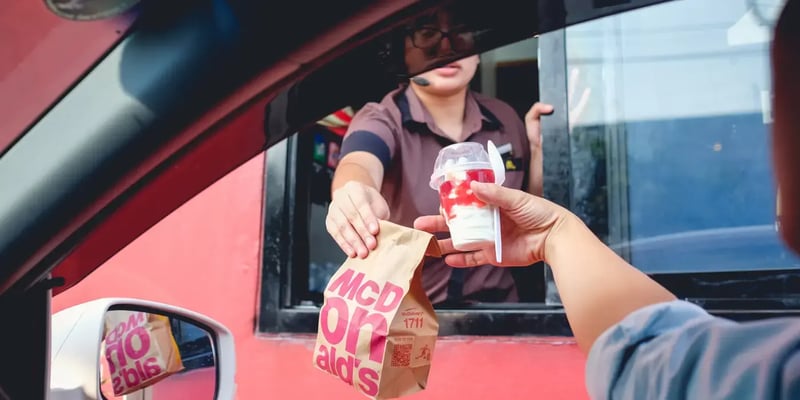
"Now we have real-time visibility with SmartSense, so the discovery is done. SmartSense gives us the data to choose a clear direction, and we're able to act faster, the right way." -- Jonathon McGuire, Owner/Operator of 19 McDonald's locations in Tennessee, Leader of the McDonald's Restaurant Technology Board This story describes the customer's experience with Jolt, which SmartSense acquired in 2025. Running one restaurant is hard. Running 19 is a different challenge entirely. When you have a single location, you can walk through the door and know within minutes whether things are going well. You can read the room, check the logs, talk to your team, and get a feel for where attention is needed. That kind of hands-on oversight is imperfect, but it works at small scale. When you have 19 …

Food safety is not a bureaucratic formality devoid of impact in the real world. The CDC estimates about 48 million illnesses and about 3,000 deaths from foodborne illness each year. Every organization that touches the food supply chain carries a share of that responsibility, from the farmer who grows the produce to the restaurant that plates it. The stages of that chain are numerous: growing, processing, packaging, labeling, distributing, storing, preparing, selling, and serving. At each stage, food products face varying levels of risk. And at each stage, the federal government has something to say about it. This guide traces the federal food safety laws that have defined the last century of American food regulation, explains why each one exists, and brings you current on the significant …

Organizational resilience (OR) is a proactive strategy that enables a business enterprise to overcome a myriad of potential market and global adversities. OR integrates culture, leadership, and IoT-enabled systems to anticipate and adapt to both gradual changes and sudden disruptions in order to maintain its core functions and secure its long-term viability. If executive leaders wish to improve the OR of their operations and provider-client relations, they must develop and adopt competencies that foster agility and flexibility in the advent of inevitable change. To do so requires a holistic approach that integrates supply chain management, risk planning, and agile staffing supported by IoT-enabled technologies and data analytics. In this post, we provide an overview of the challenges to …

Despite consistent price increases in the food away from home category, Americans can’t seem to ditch eating out or ordering in. Inflation-weary customers aren’t trading in their fast casual bowls just yet, but they are re-evaluating what compromises a safe, enjoyable customer experience when buying meals. To better understand how Americans are thinking about food away from home, specifically fast casual food choices and how that compares to other dining options, SmartSense surveyed 1,000 US-based adults (18+). In the survey, the fast casual category was defined as restaurants that primarily rely on counter service, such as Sweetgreen and CAVA; the quick serve restaurant (QSR) category was defined as dining options that traditionally have drive-thru service, such as McDonald’s and …

Food waste along the wholesale and retail supply chain is often blamed on downstream operations failures. Its roots, however, oftentimes lie upstream. As we will explore in this post, food waste is typically a downstream consequence of inadequate upstream Sales & Operations Planning (S&OP) decision making. The scale of this issue is massive, with 30-40% of the US food supply wasted each year. The U.S. government’s goal is to reduce food waste by 50% by 2030. Balancing demand & supply with sales & operations planning (S&OP) Sales and Operations Planning (S&OP) is a cross-functional process aligning demand forecasts with supply chain capacity, resources, and financial goals. S&OP connects sales, marketing, manufacturing, and finance to create a single …