Geofencing isn't exactly new, but it is an important technological concept that's being utilized not only in the transportation sector, but in many other industries as well. It has many capabilities and allows an enterprise to utilize geolocation...
Connected Insights Blog
When we typically think about food safety, what comes to mind is food in transit to stores, then available for purchase, and eventually makes it on to our kitchen tables. However, there's another category of food safety: the safety of food served by...
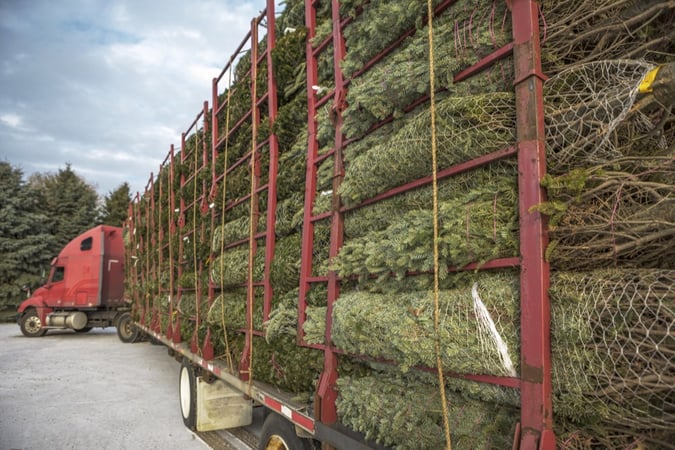
The tree at Rockefeller Center in the heart of the holiday hullabaloo, smack dab in the middle of New York City, is iconic, surrounded by skaters, chocolate shops, ornamental angels lit up and in formation, and plenty of tourists who swarm the area...
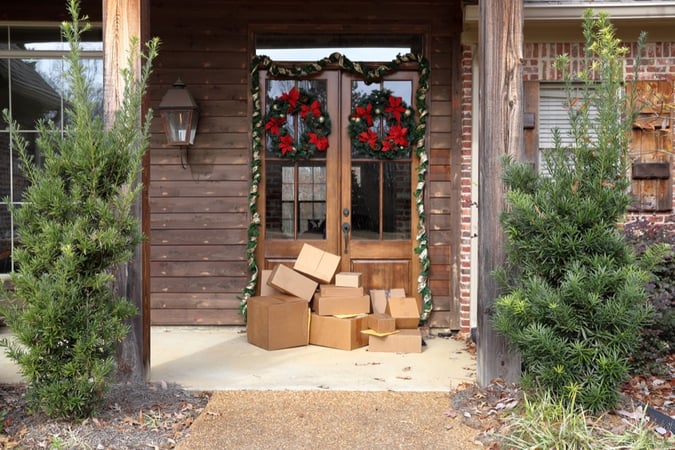
As consumers continue to begin their holiday spending rendezvous earlier, thanks to omnichannel options, they want reliable delivery that is fast and nimble. That's what Austin-based Convey found when they surveyed more than 2,500 US consumers...
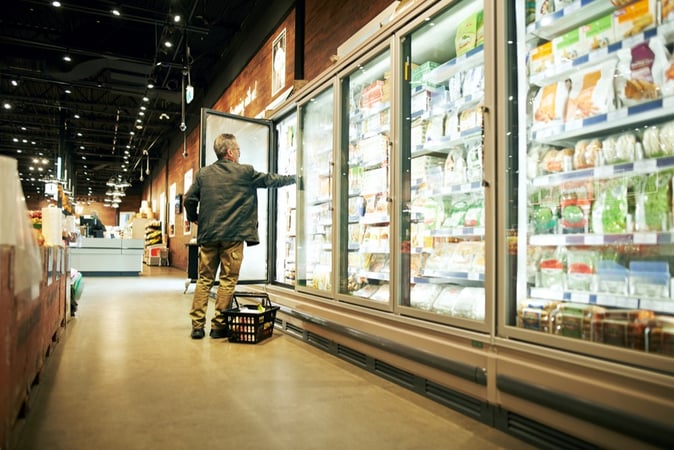
Grocery stores offer a wide variety of foods, including many perishables that require tight temperature controls. Fridges, freezers, reach-ins, and bunkers that hold these sensitive foods must be checked throughout the day, taking time away from...
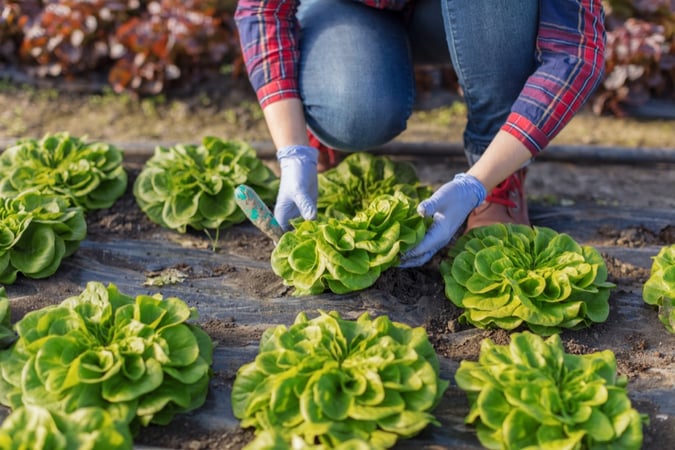
For the rules that apply now, start with Key Federal Food Safety Laws: A Complete Compliance Guide (Updated 2026).
In just the last couple of months, we’ve been reading reports about one new food recall after another: Listeria in smoked salmon,...